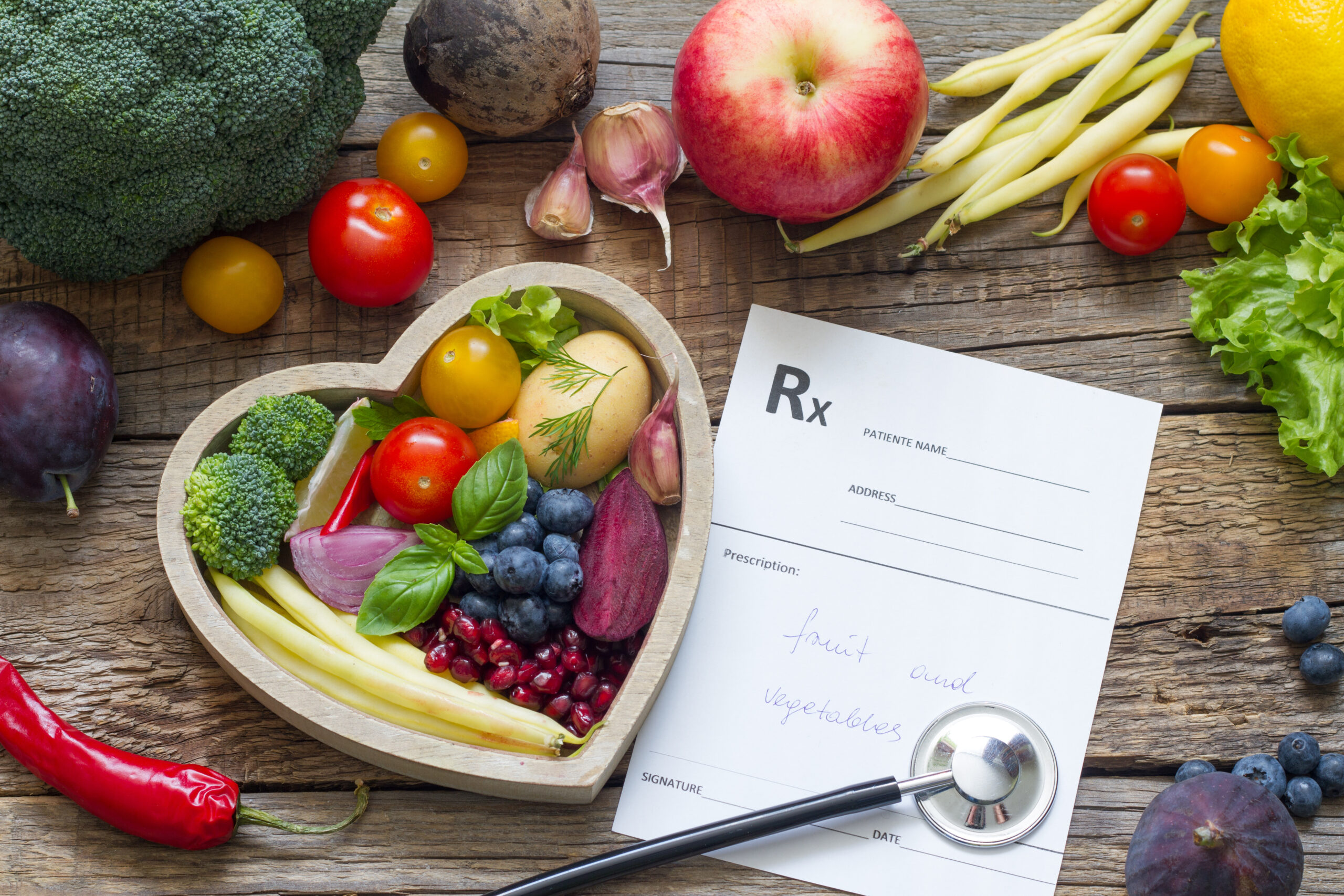
1. From Curious Observer to Active Learner
If you had asked me a year ago what I thought about the phrase “food is medicine,” I probably would’ve said, “Yeah, that makes sense,” and then moved on with my day. I didn’t work in that space. Still don’t, really.
But six months ago, I started getting more active on LinkedIn. Started connecting with folks in healthcare who are working on chronic disease, value-based care, nutrition, and the relationship between what we eat and how we heal. And now? I’m paying attention.
This “food is medicine” movement—it’s not fluff. It’s not a tagline. It’s a massive opportunity. And it might be the root cause issue we’re all avoiding in healthcare.
We’re spending billions trying to manage diseases like diabetes, hypertension, and obesity. But we’re hardly scratching the surface of why these things are happening in the first place. Food. It’s food.
We’ve got programs designed to manage disease progression, reduce inpatient stays, improve transitions of care, and drive down ER visits. But where are the programs upstream of all that? Where’s the model that makes sure patients don’t get sick in the first place?
2. Digital Nutrition, Chronic Pain, and CMS Models
I’ve started having conversations with early-stage digital nutrition companies—one in particular is building a model around tailored nutrition plans for patients dealing with chronic pain. What they’re doing isn’t just theoretical. It’s built to work with CMS innovation models like MAHA ELEVATE. We’ve had some really productive back-and-forth about how to operationalize this, how to measure it, and how it could align with the goals of value-based care.
These kinds of conversations have expanded my thinking. There’s a real ecosystem forming where technology, data, and nutrition interventions come together to support better outcomes. I’m not embedded in that space (yet), but I’m leaning in.
And with CMS dropping more digital health models every week, I am eager to get involved where I can, especially if it is at the intersection of nutrition, digital health, and healthcare innovation.
3. The Deeper Question: Where Is Our Food Coming From?
Finally, the last area that keeps popping up and I know very little about (and probably one that doesn’t get enough airtime) is the source of the food itself. It’s not just about what ends up on the plate. It’s about the entire chain that leads there.
Where was the food grown?
What was the condition of the soil?
How was it harvested?
How was it stored, processed, and distributed?
I know I am missing large components of this but each step along that chain can impact the nutritional quality of what people eat. And if we’re going to look at food as medicine, we can’t ignore the manufacturing and sourcing side. Nutritional value can degrade long before it hits the grocery store and our mouths.
What I want to explore next – are even the healthy foods becoming less nutritious? I watched a video and read an article about this that really peaked my interest.